Get Industrial Roof Replacement in Bridgewater, CT
Industrial roof replacement services for property owners in Bridgewater, CT, and nearby areas address roof leaks, deterioration, and structural issues through comprehensive replacement projects.
Industrial roof replacement services are essential for property owners in Bridgewater, CT seeking to maintain the safety, functionality, and durability of their buildings. Replacing an aging or damaged roof can significantly improve a structure's overall performance, reducing the risk of leaks, structural issues, and potential safety hazards. Many property owners consider this work to enhance comfort by preventing drafts and temperature inconsistencies, while also ensuring their facilities remain operational and secure.
The benefits of investing in roof replacement extend beyond safety and functionality. A new roof can boost curb appeal, making a property more attractive and well-maintained. Additionally, modern roofing materials often require less maintenance over time, helping property owners save on ongoing upkeep costs. This upgrade can also contribute to increased energy efficiency, providing long-term value and peace of mind for those looking to safeguard their investment.
- Industrial Roof Replacement - necessary when existing roofs have sustained extensive damage or wear that compromises structural integrity.
- Industrial Roof Replacement - suitable for facilities in need of upgrade to meet current safety and performance standards.
- Industrial Roof Replacement - recommended when roofing materials have reached the end of their lifespan, leading to leaks or energy inefficiency.
- Industrial Roof Replacement - often required during building renovations or expansions in areas like Bridgewater and nearby communities.
- Industrial Roof Replacement - essential for businesses seeking to prevent operational disruptions caused by roof failures or leaks.
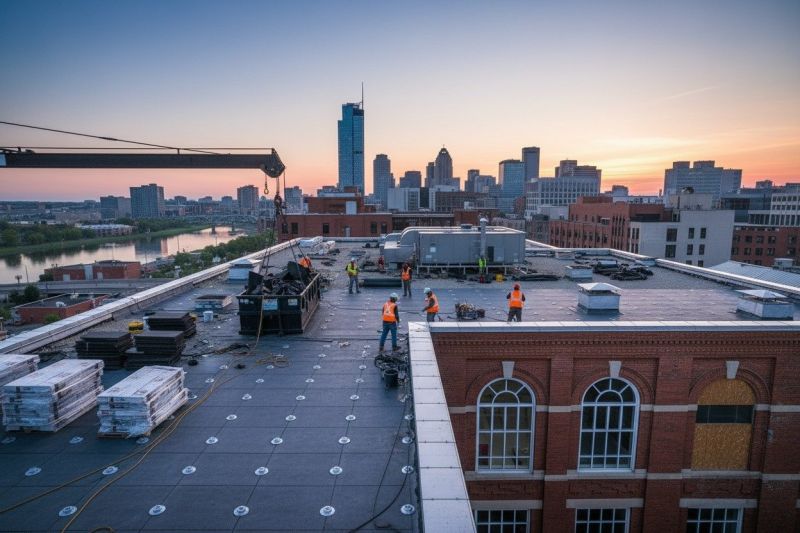
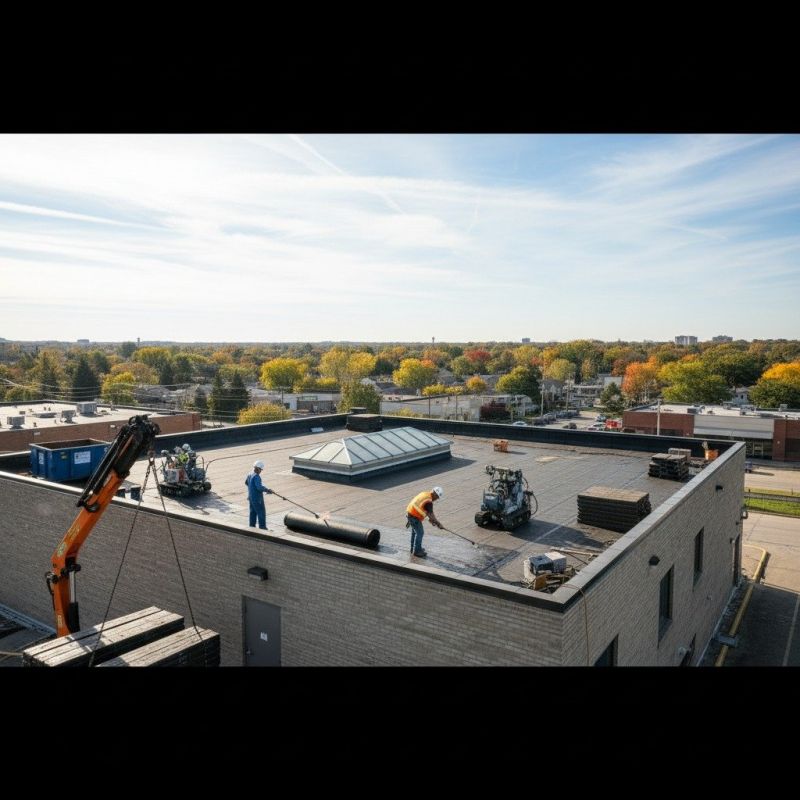
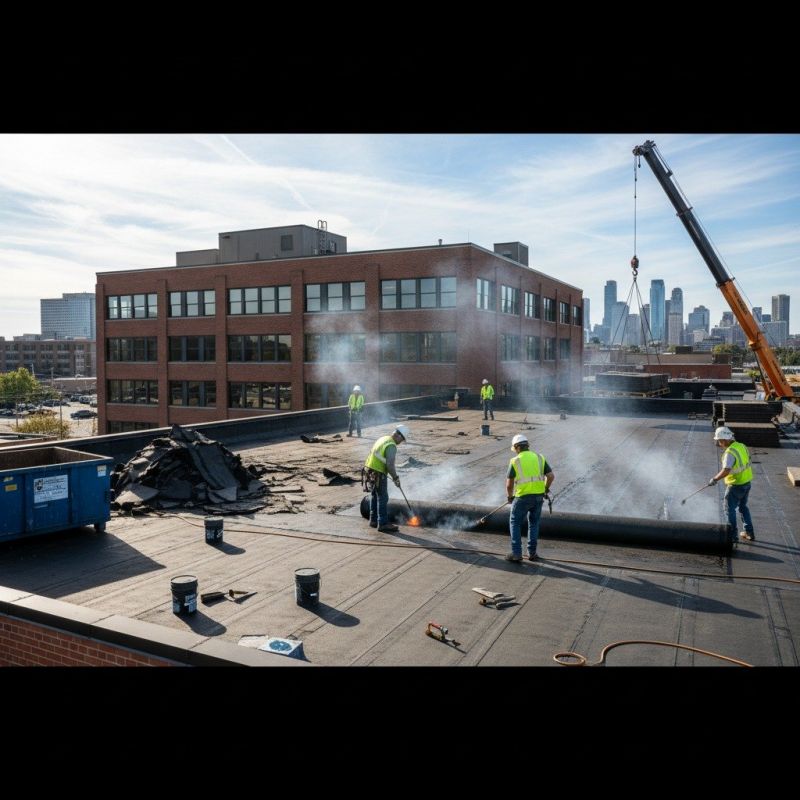
Industrial roof replacement services involve the removal of an existing roof structure and the installation of a new roofing system on commercial or industrial properties. This process typically includes inspecting the current roof, assessing its condition, and then carefully removing damaged or outdated materials. The new roofing system is selected based on the property's needs, which may involve installing new membranes, insulation, and protective coatings to ensure durability and performance. These services are carried out by experienced contractors who specialize in handling large-scale roofing projects, ensuring that the replacement is completed efficiently and to industry standards.
This service addresses several common problems associated with aging or damaged roofs. Over time, industrial roofs can develop leaks, cracks, or areas of deterioration that compromise the building’s structural integrity and internal conditions. A failing roof may lead to increased energy costs due to poor insulation, or it might cause water intrusion that damages equipment, inventory, or the building’s interior. Replacing the roof can eliminate persistent leaks, prevent further deterioration, and improve the overall safety and functionality of the property. It also helps property owners avoid costly repairs that might arise from neglecting roof maintenance.
Properties that typically utilize industrial roof replacement services include warehouses, manufacturing facilities, distribution centers, and large retail stores. These structures often have expansive roof surfaces that require durable and reliable materials to withstand heavy use and environmental exposure. Industrial buildings with flat or low-slope roofs are common candidates for replacement, especially when the existing roofing materials have reached the end of their service life. Additionally, facilities that have undergone significant structural changes or require upgraded insulation to meet operational needs may also seek roof replacement services to enhance energy efficiency and operational safety.
Contractors offering industrial roof replacement services are equipped to handle the unique demands of large-scale commercial properties. They often work with a variety of roofing systems such as built-up roofs (BUR), single-ply membranes like TPO or EPDM, and metal roofing options. These professionals ensure that the new roof installation complies with building codes and industry best practices, providing a long-lasting solution tailored to the specific requirements of each property. By partnering with experienced service providers, property owners can ensure their industrial roofs are replaced efficiently, minimizing disruption and maximizing the longevity of their investment.
The overview below groups typical Industrial Roof Replacement projects into broad ranges so you can see how smaller, mid-sized, and larger jobs often compare in Bridgewater, CT.
In many markets, a large share of routine jobs stays in the lower and middle ranges, while only a smaller percentage of projects moves into the highest bands when the work is more complex or site conditions are harder than average.
Material Costs - The cost of roofing materials for industrial roof replacements typically ranges from $3 to $10 per square foot. For example, installing a metal roof on a 10,000-square-foot facility could cost between $30,000 and $100,000 for materials alone.
Labor Expenses - Labor costs for industrial roof replacement usually fall between $2 and $5 per square foot. For a large-scale project, this could mean around $20,000 to $50,000 in labor fees for a 10,000-square-foot roof.
Project Size & Complexity - Larger or more complex roofs tend to increase overall costs, with prices varying based on roof size, design, and accessibility. For instance, a roof with multiple layers or difficult access might push costs toward the higher end of the range.
Additional Costs - Extra expenses such as permits, removal of old roofing, or repairs can add $1 to $3 per square foot. These additional costs should be considered when estimating the total project budget for industrial roof replacements.
Actual totals will depend on details like access to the work area, the scope of the project, and the materials selected, so use these as general starting points rather than exact figures.
Commercial Roof Replacement - Local contractors offer services to replace roofs on warehouses, factories, and other industrial facilities, ensuring structural integrity and safety.
Metal Roof Replacement - Specialists provide metal roof replacement options for industrial buildings seeking durable and long-lasting roofing solutions.
Flat Roof Replacement - Service providers focus on replacing flat roofs common in industrial settings, addressing issues like leaks and wear.
Roof Deck Replacement - Contractors assist with replacing damaged or deteriorated roof decks to support new roofing systems in industrial structures.
Insulation Replacement - Local pros offer insulation upgrades or replacements as part of industrial roof replacement projects to improve energy efficiency.
Emergency Roof Replacement - Service providers respond to urgent situations requiring immediate roof replacement due to storm damage or structural failure.
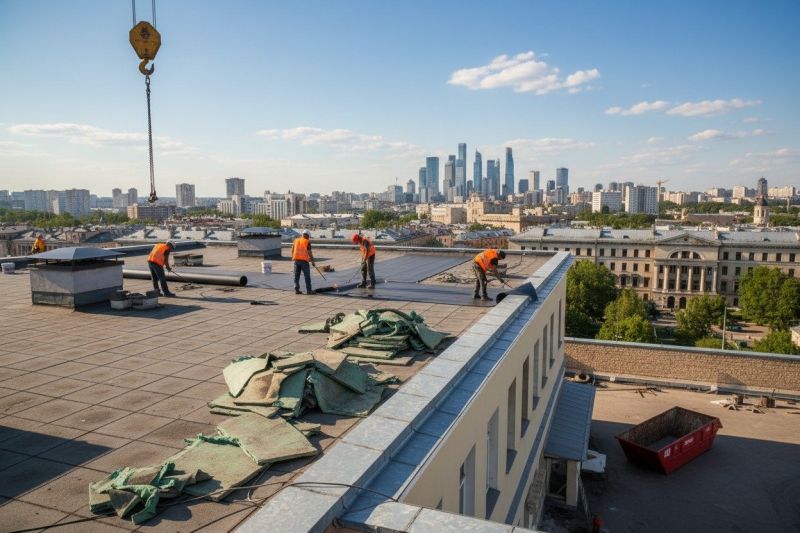
When evaluating local contractors for industrial roof replacement, it's important to consider their experience with similar projects. Reputable service providers often have a track record of handling industrial roofing systems, demonstrating familiarity with various materials and installation techniques. Homeowners can request information about the number of completed projects, the types of roofs they have worked on, and their overall expertise to ensure the contractor has relevant background for the specific needs of their property.
Clear communication and well-defined expectations are crucial when working with a roofing contractor. Pros who prioritize transparency will typically provide detailed project scopes, outline the steps involved, and clarify any requirements or potential challenges upfront. Establishing open lines of communication helps homeowners understand the process and ensures that all parties are aligned throughout the project, reducing the likelihood of misunderstandings or surprises.
Reputation and references serve as valuable indicators of a contractor’s reliability and quality of work. Homeowners should seek out service providers with positive references from previous clients, especially those who have completed similar industrial roof replacements. Reputable pros often have a history of satisfied customers and can offer insights into their work ethic, professionalism, and the durability of their installations. While the information below introduces local options, it is focused on connecting homeowners with qualified service providers rather than performing the work directly.
Property owners in Bridgewater, CT use Industrial Roof Replacement services for practical projects around their homes and businesses. The sections below highlight everyday jobs and straightforward project options.
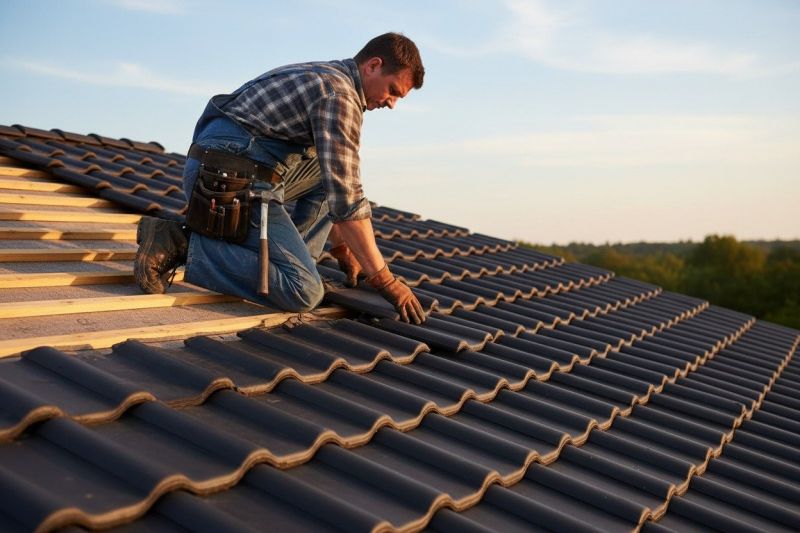
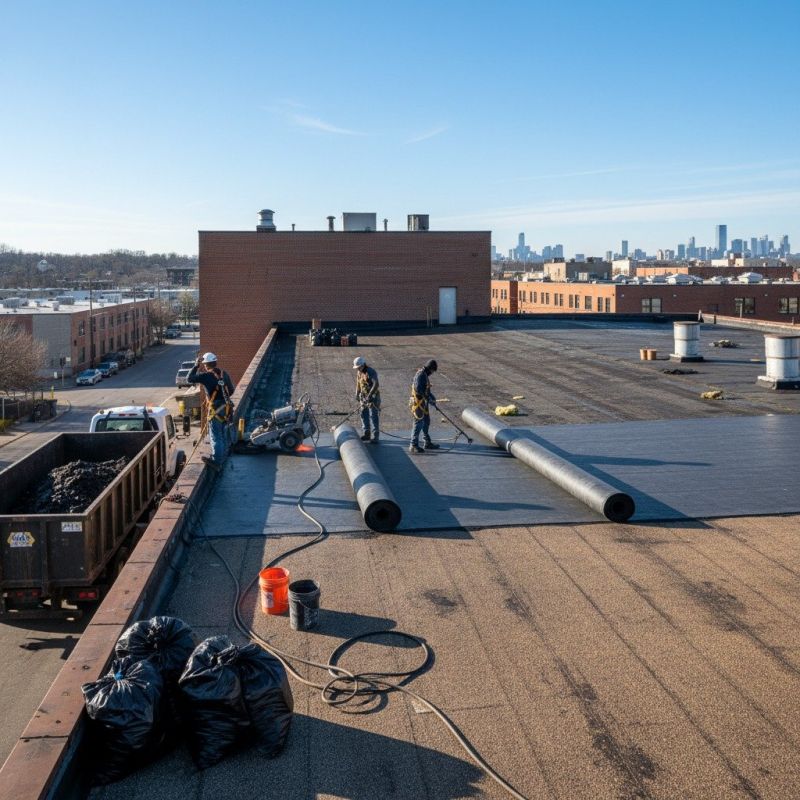
Industrial roof replacement services are often sought by property owners in Bridgewater, CT when their existing roofing systems show signs of significant wear or damage. Common situations include leaks that compromise the interior space, frequent repairs that no longer provide a lasting solution, or visible deterioration such as sagging, rust, or missing sections. These issues can affect the safety and functionality of industrial buildings, prompting property owners to explore professional replacement options to ensure their facilities remain secure and operational.
Additionally, property owners may consider roof replacement when upgrading or expanding their industrial facilities. Older roofs may no longer meet current safety standards or could be inefficient in terms of insulation and energy use. Replacing an aging roof can also be part of a broader maintenance plan to prevent costly repairs in the future. Connecting with local service providers can help property owners assess their roofing needs and find suitable solutions tailored to their specific building requirements.
What are common reasons to replace an industrial roof? Industrial roofs may need replacement due to age, extensive damage, leaks, or structural issues that cannot be repaired effectively.
How long does an industrial roof replacement typically take? The duration varies depending on the size and complexity of the project, but most replacements can be completed within a few days to a few weeks.
What types of materials are used for industrial roof replacements? Common materials include metal, built-up roofing, EPDM, TPO, and PVC, selected based on durability, budget, and specific building needs.
Are there any permits required for industrial roof replacement? Permit requirements depend on local regulations; contacting local contractors can help determine necessary approvals before starting work.
How can I find qualified local contractors for industrial roof replacement? Contacting local service providers or lead-generation platforms can connect property owners with experienced professionals in the area.
Assessment and Planning - Professionals can evaluate the current roof condition and provide detailed plans for replacement projects.
Material Selection Guidance - Local experts assist in choosing suitable roofing materials based on durability and suitability for industrial facilities.
Project Timeline Coordination - Service providers help establish realistic schedules to ensure efficient completion of roof replacement projects.
Permitting and Compliance Support - Contractors can advise on necessary permits and ensure the replacement process aligns with local regulations.
Considering Industrial Roof Replacement for a property in Bridgewater, CT? The sections above highlight common project types, practical options, and details that often shape the scope of work.
When you are ready, use the quote form to share a few details about your project. Local pros can review the basics and respond with options that match what you have in mind.